Fieldwork of Home

Tomorrow, I turn fifty seven. I love birthdays. I love the messages arriving from different places and different chapters of life. Friends from Hampshire alongside friends from the Hebrides, and new friends. Colleagues from past projects alongside neighbours from this new corner of Aberdeenshire. People who would never otherwise meet each other, all briefly gathered together in one place and one moment.
There is something really lovely about realising how many people are carrying a little piece of my story with them across many miles. Birthdays make that visible.
Alongside the cake and the messages, though, birthdays also seem to invite another question - What now?
This year I find myself less interested in goals and achievements and more interested in attention. Attention to this place in rural Aberdeenshire and to the rhythms of a year and to what happens when curiosity is given free rein. For now, I‘m calling it Fieldwork of Home.
Maybe not fieldwork in the academic sense, although there is a little of that too. But the field notes of somebody trying to learn how to live somewhere properly, of asking questions and seeing where they lead.
Earlier this year we moved to rural Aberdeenshire. Since then I have discovered that this place is already full of systems of sharing and exchange. There are roadside stalls offering vegetables, eggs and flowers with honesty boxes. There is a community farm just down the road, which runs on a ‘take what you need, pay what you can‘ approach.
There are neighbours with knowledge that cannot be found in books. There are gardens that have been teaching people how to live here for generations. The questions have multiplied accordingly.
What grows well here? What struggles? How does the climate impact on growing and how is it changing? How much food do two people actually eat in a year? How much am I overestimating that? Can solar panels, batteries and a wind turbine replace some of the work once done by wood and peat? What knowledge lives in kitchens, sheds, workshops and gardens? What does this place offer? And more importantly, what can I offer in return?
Some of these questions can be answered with books and internet searches, others seem to require something slower and more embodied. Growing, preserving, noticing the weather, making mistakes. Learning the difference between knowing about a place and knowing a place.
I have long been interested in embodied knowledge. The knowledge in hands that know how much flour a dough needs without weighing it, the knowledge that knows when beetroot is ready by looking at the plants. The knowledge that predicts rain from a sky I still struggle to read. The knowledge that lives in the doing rather than in explaining.
There is another thread running through all of this too, although I am not entirely sure what to call it yet.
Edible ethnography perhaps or culinary ethnobotany. An exploration of the relationship between people, place and food. Not only what grows here, but what people do with it once it does. The recipes that emerge from landscapes, foods that become associated with communities, substitutions that people make when ingredients are scarce or abundant.
The ways that preservation, fermentation, drying and storing become part of local knowledge and local identity. Why crowdie belongs in one place and butteries in another. Why some foods survive for centuries whilst others gently disappear. How much culture can be contained in a bowl of soup or a jar of jam. It might be that food is another kind of field note, that can be tasted as well as recorded.
Maybe this year is partly about life long learning. The free shop feels like part of that exploration too. The idea has actually been brewing for several years, ever since a Fun Palaces event where I took part in Fun Palaces TV, set up a free shop for excess Christmas decorations and taught people how to make crowdie.
At first this free shop existed in my imagination as a beautiful glass-fronted cupboard and then practicality entered the chat. Twenty eight degree sunshine and vegetables behind glass felt less than ideal. Aberdeenshire winds and glass doors also seemed destined for an exciting but short-lived relationship.
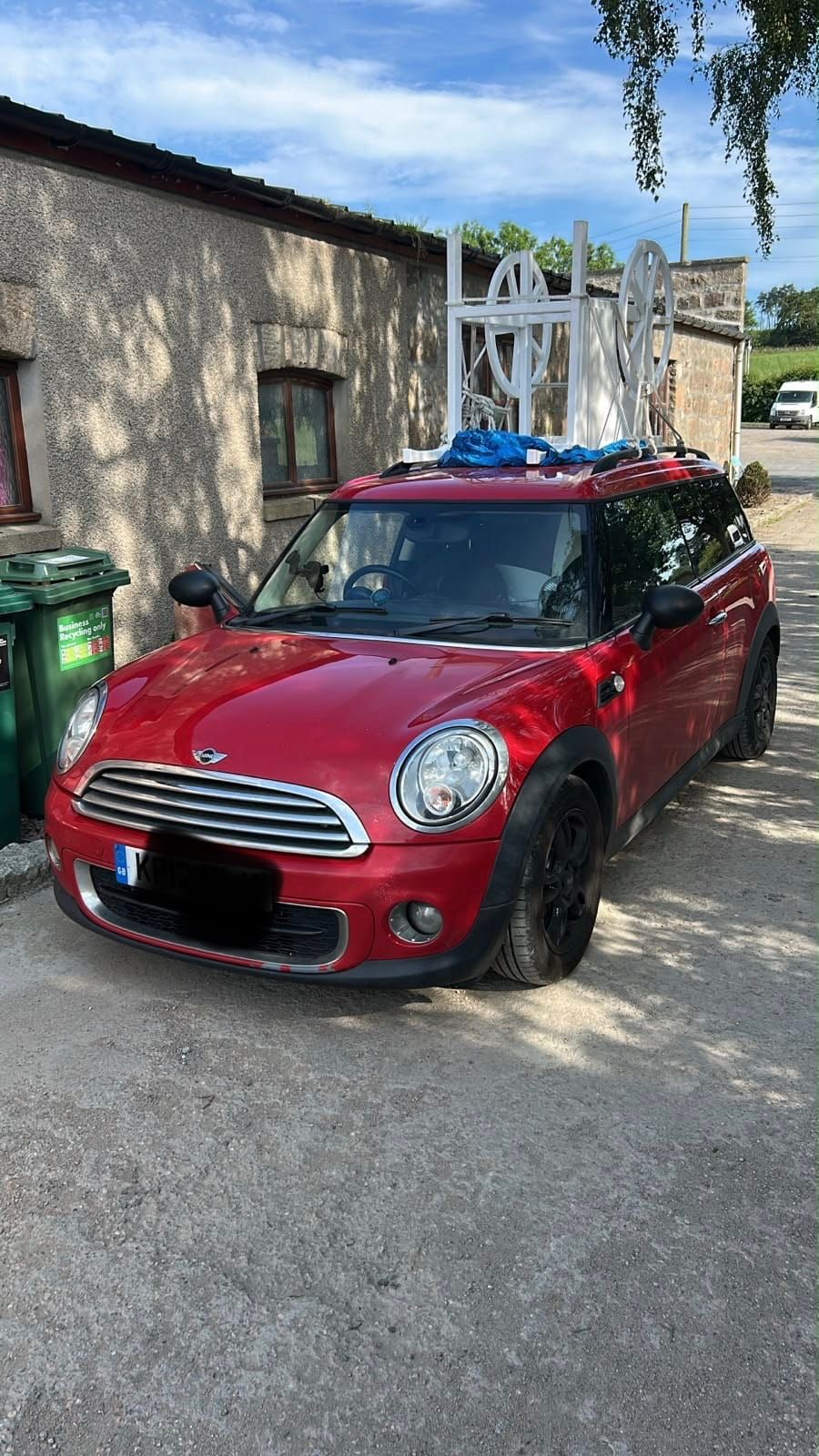
Eventually, the cupboard idea shrank into something smaller and simpler. A stand was, appropriately, advertised for free nearby. Less grand maybe, but probably wiser. And cute.
I think that sometimes, projects become better when reality is allowed to collaborate with them, although the intention remains the same. A place for excess to circulate. Vegetables, fruit, seedlings, books, seeds and useful things moving onwards instead of sitting unused in cupboards or ending up in landfill. A place where abundance could become visible.
There is a QR code available for donations if people wish to use it, but the intention is not profit. If money accumulates, it will most likely become local eggs, local fish or food from local producers which can find their way back into circulation again.
A small ecosystem of exchange. Raspberries becoming conversations, conversations becoming ideas, ideas becoming friendships, becoming projects that none of us can quite see yet.
I expect that many of this year’s field notes will seem very ordinary. The first blackcurrants, the arrival of apples, maybe the discovery that two people eat considerably less than I imagine they do. My curiosity in growing and cooking generating excesses. The neighbour who appears with unexpected wisdom or unexpected jam jars.
The realisation that a place or a plant or tree becomes more knowable when you start asking what it needs from you as well as what you need from it.
Maybe that is all fieldwork really is. Attention and curiosity and participation. A willingness to be changed by the place you are trying to understand.
So that is my birthday wish for the year ahead - to remain curious, to keep better field notes, to notice more than I overlook, to contribute where I can, to accept help when it is offered, to learn the shape of this place a little better, and to be open to being changed by my experiences.
And maybe, if I am lucky, to become part of its story while allowing it to become part of mine.
Further reading