Here’s Johnny!

I have spent the last few weeks trying to understand why one plant has occupied so much of my attention.
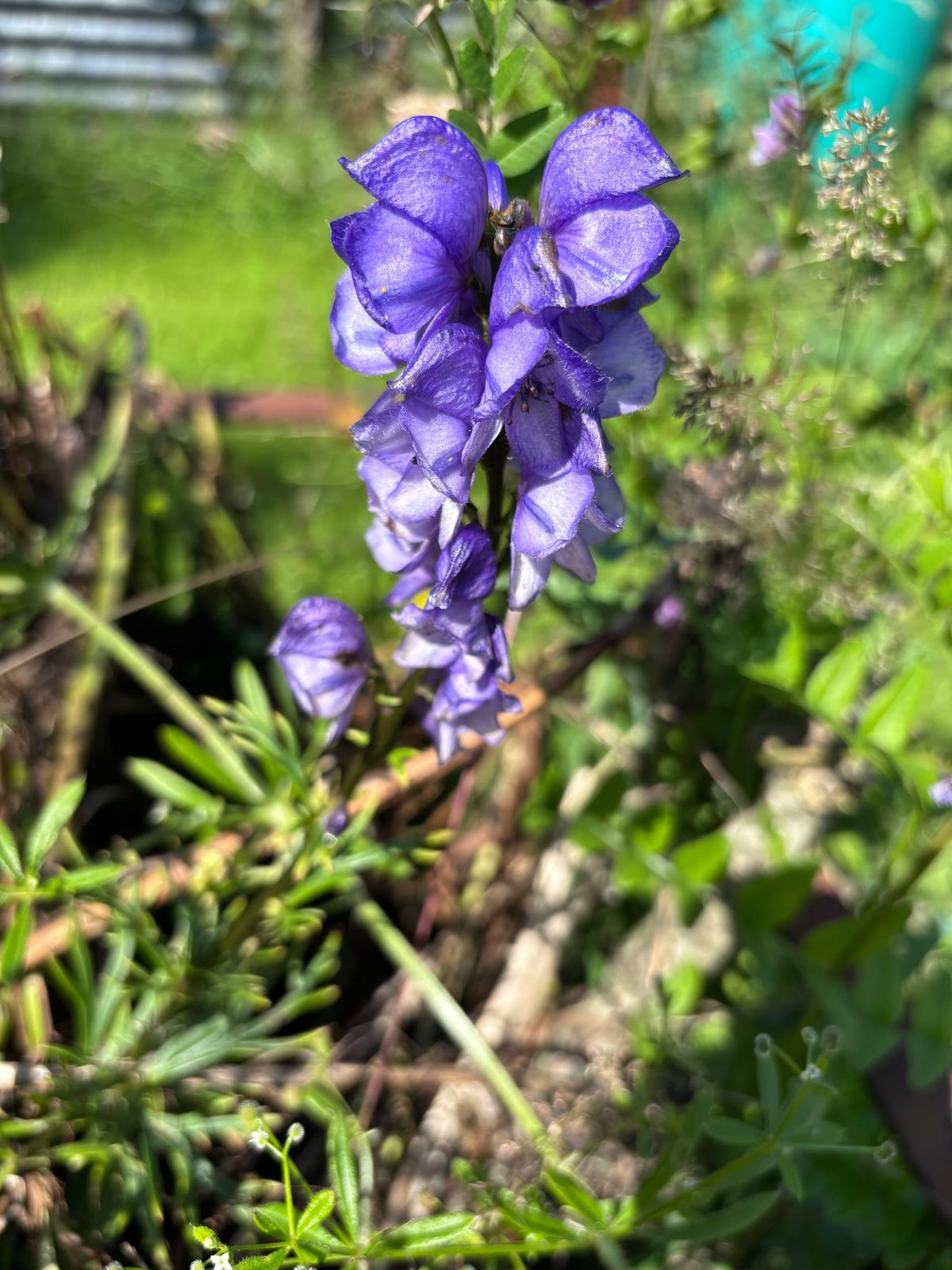
When we first moved here, I decided the wolfsbane should go. It seemed the sensible thing to do. It is beautiful, but it is also one of Britain’s most poisonous plants. There are visitors to think about, my brilliant little Spaniel who eats everything and has run out of veterinary insurance for this year (a story all of its own), and all the ordinary responsibilities of sharing a garden. I dug it out, believing that was the end of it.
But then I found myself missing it. Not enough to wish away its dangers, but just enough to feel uncomfortably conflicted. It had become part of the background of this place and its absence felt oddly noticeable.
A few days ago, it returned. There it was again, pushing confidently through the soil in what could only be described as a “Here’s Johnny!” moment. I laughed out loud. The garden, it seemed, had not finished with the conversation. That was the moment things began to change.
Instead of asking, How do I get rid of this? I found myself asking, Why has this plant captured my imagination and that of so many people? One question led to another.
Wolfsbane (Monkshood) led me to ancient plants and monastery gardens. Monastery gardens led me to physic gardens. Physic gardens led me to the long history of people growing plants not only for food, but for healing, household remedies, dyes, scent, ritual and curiosity.
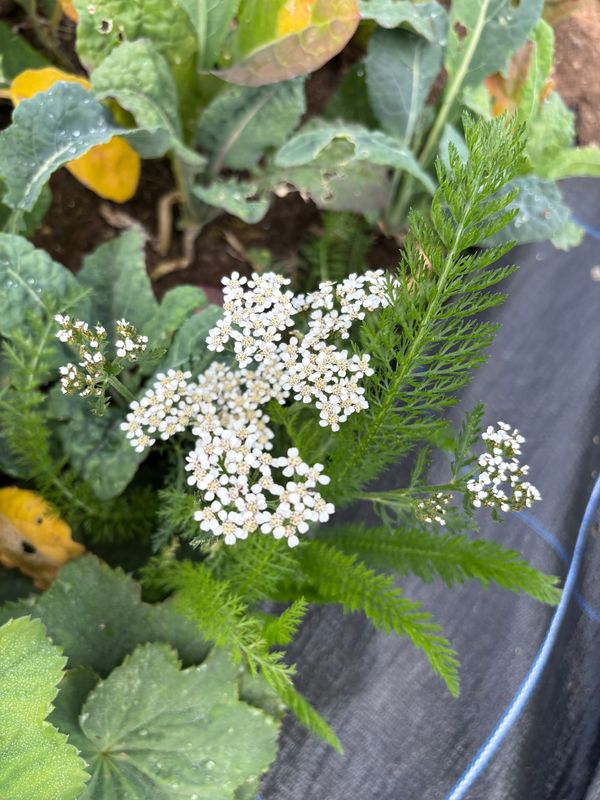
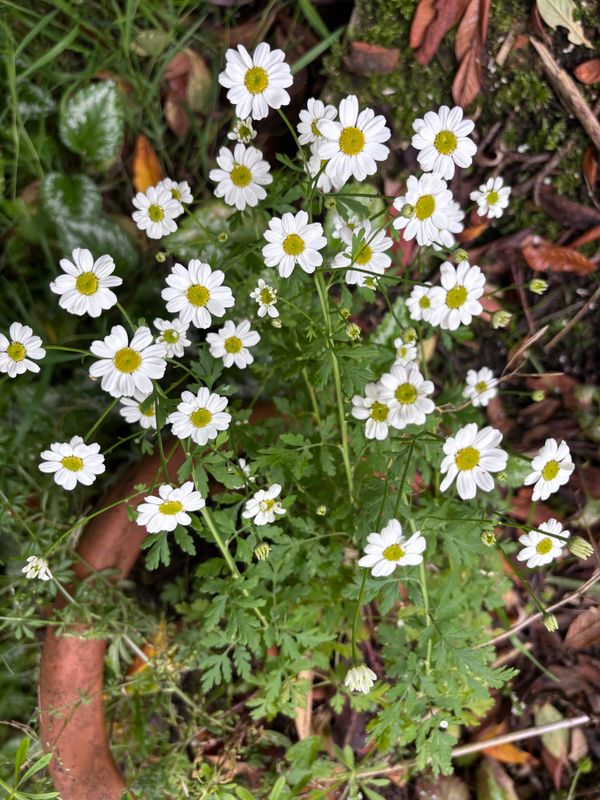
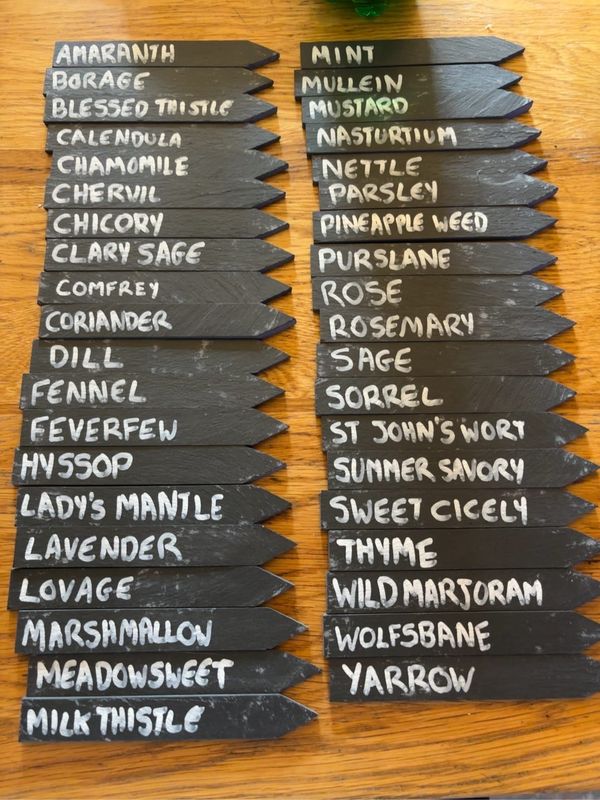
And then I looked in the garden. Yarrow was already here and so was feverfew. I had found wild chamomile growing near the blackcurrants, its crushed flowers smelling unexpectedly of pineapple. Comfrey was already established. Elder trees provided night shelter for deer at the edge of the cottage garden. There were roses, crab apples, marshmallow seeds waiting to be sown, leaves already gathered for teas, and a growing collection of questions that seemed to belong together.
Without intending to, I realised that I had been gathering the beginnings of a physic garden. Not because I know very much about medicinal plants, quite the opposite. I’d like to learn as I go, to inhabit and embody the idea. To grow with it. I like the idea of hospitality and enlarging someone’s world through connection and I feel the same way about plants. It’s reciprocal, relational.
I think what attracts me is that every plant seems to have two lives, elements of sub rosa, if you like. There is the one we can see in stems, leaves, flowers and roots and then there is its quieter life. The folklore that gathered around it, the people who depended on it, the insects and birds that visit it, the journeys it has made across continents, the (sometimes bawdy) names it has been given. The fears, hopes and stories it has carried through generations. I have been exploring this side of plants in some of my other posts.
I love reading. I can happily disappear into old herbals, histories and botanical books for hours. But I’ve realised that I understand something much more deeply when I also live alongside it. I want to notice when the first shoots appear in spring, which bees visit, whether the leaves smell different after rain. How the plant behaves in this particular corner of Aberdeenshire, in this place, rather than in an illustration.
Research gives me context and the garden gives me relationship. Maybe that is why this idea has taken hold.
At the far end of the garden are two old goat pens. They are not especially attractive, and for months I have wondered what to do with them. Now I find myself imagining willow-woven edges, woodchip paths made from our own prunings and shredding, and beds filled with plants whose stories are every bit as interesting as their flowers.
Maybe I didn’t choose the physic garden. Maybe the garden chose me, one persistent wolfsbane at a time.