Sage, or the Curious Misfortunes of Husbands

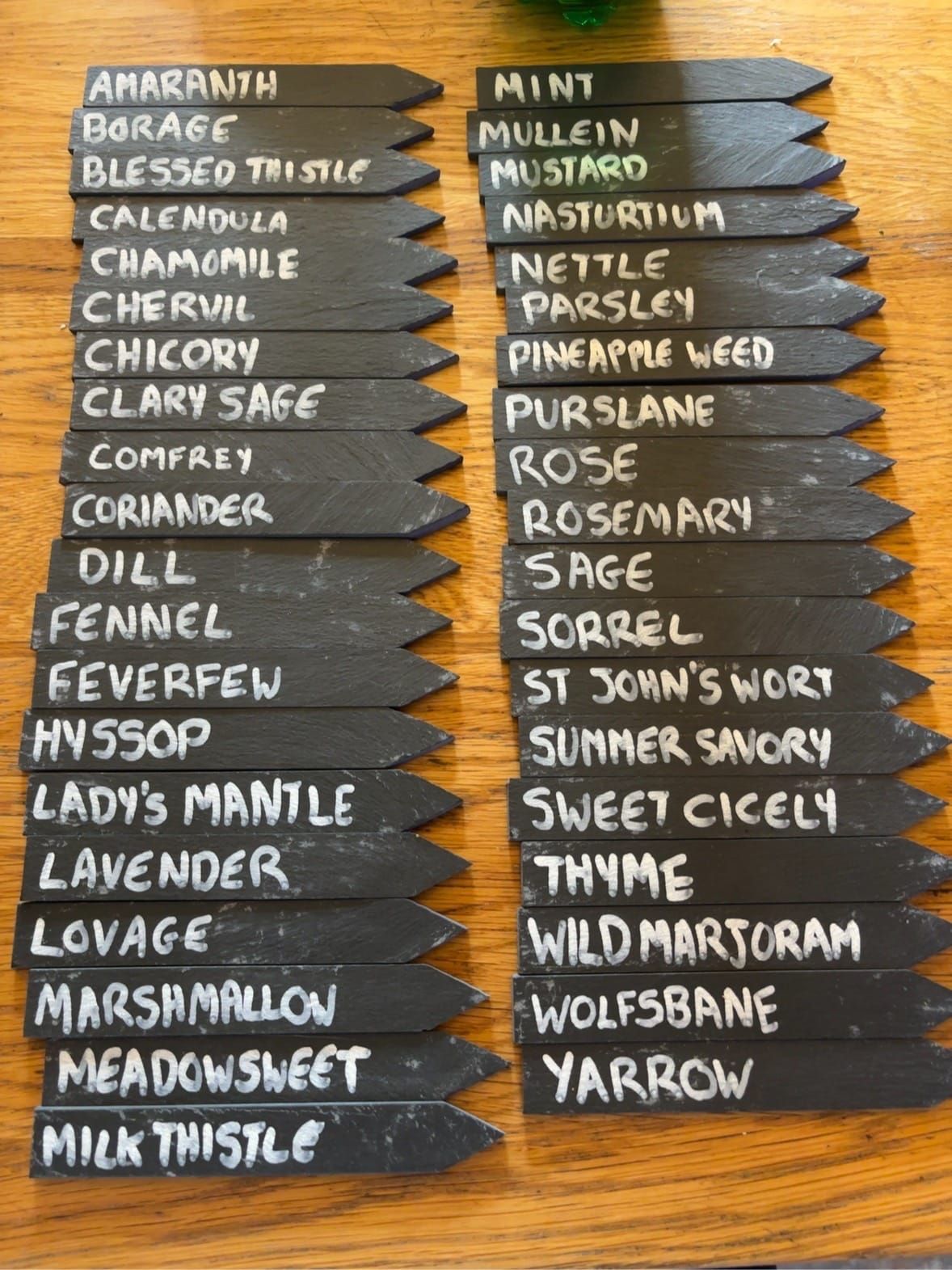
The word Sage originates from the Latin word salvus, meaning safety or healing. Maybe this was because it had a strong reputation as having healing properties?
A grey-green, shrubby plant with furry leaves and a pungent, herbal smell, it enjoys well drained soil and sunshine and grows to approximately 70cm.
Its Latin name is Salvia officinalis. Officinalis was used for plants kept for useful medicinal purposes, the sort of thing you might once have found in the monastery storeroom/apothecary (officina) amongst all the jars, shrivelled roots and mysterious things nobody was allowed to touch, or maybe talk about.
Medicinally, sage is listed with the European Medicines Agency as a traditional herbal medicine for mild digestive complaints, excessive sweating, inflammation of the mouth and throat, and minor skin inflammation.
There is also a fantastic old reputation for longevity. Sage was associated with preserving health and life itself, which is where sayings such as “Why should a man die whilst sage grows in his garden?” become so interesting. For the physic garden, this feels important because it shows how enormously people once trusted this plant.
The word sage is often attributed to wise words and people. The root of that attribution doesn’t come from the plant sage, interestingly enough. It comes from an entirely separate linguistic root, in Latin, sapere, meaning taste, to have good taste, which went on to shapeshift into wisdom and knowledge.
In the Midlands, an old rhyming proverb went "If the Sage Tree thrives and grows, the Master’s not the master and he knows!". Husbands would anxiously destroy sage bushes in their gardens, out of fear of being ridiculed for being henpecked. Allegedly.
According to traditions in British folklore, it was considered terrible luck to plant sage yourself. To ensure a safe, prosperous home and a thriving plant, a homeowner had to ask a trusted friend to plant it for them. I might be safe, my sage in the physic garden is still in its pot. I shall have to ask a neighbour to plant it for me. Just in case.
It is also considered bad luck to have a whole bed of sage. It’s probably wise to plant it alongside other plants. Again, just in case.
It seems that our friend sage is entrusted to cast love spells, which sounds a little creepy to me, as does calling in a husband by putting sage leaves in a drawer and dropping them out of the window just before midnight to the chimes of the hour on St John’s night in June. Or something like that. Gosh, that’s a lot of remembering, specific timing and rules to follow. Husbands have always seemed to find me anyway, without all of this rigmarole. For better or for worse. Mostly worse. Present husband excluded.
Men aren’t doing very well with sage, are they? One minute they are being portrayed as henpecked and the next they are being outed as future husbands, having their free will trampled on with a love spell or maybe even worse, being compelled through midnight summer windows with the assistance of chiming clocks and bedroom furniture. Men aren’t even allowed to die in peace while they have sage in their garden, according to the saying.
Maybe a nice sage and onion stuffing with a roast chicken dinner will help to apologise for all of this wicked behaviour? Or a little pumpkin and sage risotto?
Further reading:
ema.europa.eu accessed 23rd August 26
Folklore from icysedgwick.com accessed 23rd August 26
Healthline accessed 14th August 26
Harrogate Organics accessed 14th August 26
Britannica accessed 14th August 26
Wikipedia accessed 14th August 26
Sage Tea Food.com accessed 15th August 26
Guardian Recipes accessed 15th August 26