What Makes a Weed?

I’ve been wondering what makes a weed a weed. Who decides?
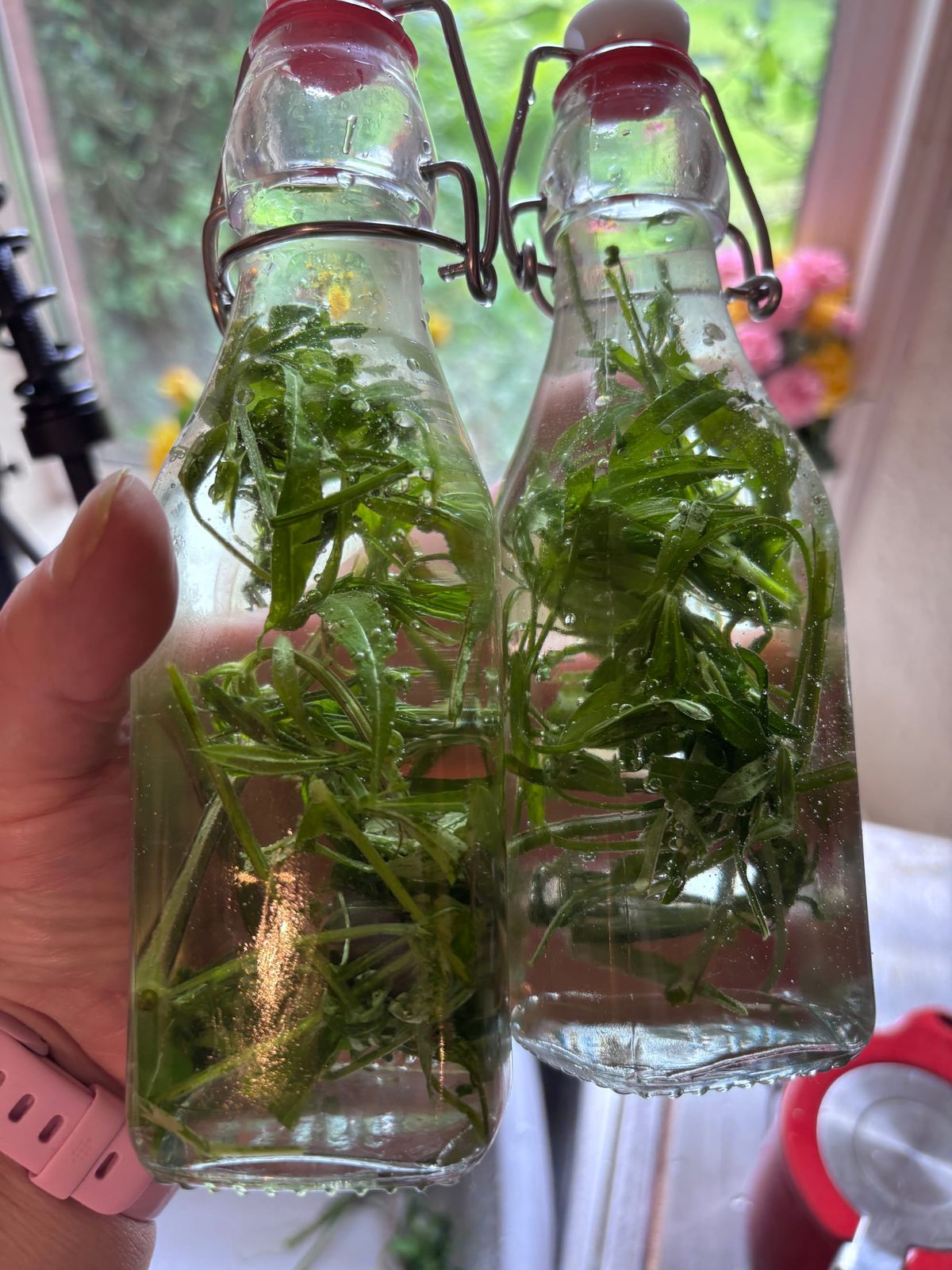
This week I made a cold infusion from cleavers, better known in the UK as sticky willy. Left overnight in water, it produced a surprisingly refreshing drink with delicate flavours of fresh peas and cucumber.
Nettles have long found their way into my kitchen too. I use the young leaves in soups and pies much as I would spinach. This spring I’ve also been cooking with sweet cicely and ground elder. Getting to know these plants has changed the way I see them.
One of the luxuries of inheriting a garden is spending the first year noticing what is already here rather than rushing to decide what should stay and what should go.
My gardening rule is simple. If I like a plant, it can stay. If it’s useful, like the wild garlic carpeting the far side of the back garden, it can do pretty much whatever it likes. I have almost two acres now. We can probably find a way to coexist.
Honesty is appearing everywhere at the moment. Some gardeners might pull it out before it seeds. I’m leaving it. In autumn those papery silver seed heads will become dried flowers in the kitchen.
I’ve been learning about how weeds/plants can tell us about soil conditions, recently, too. Weeds as bioindicators. Dandelions? Maybe the soil is compacted. Red clover? The soil could be rich in potassium.
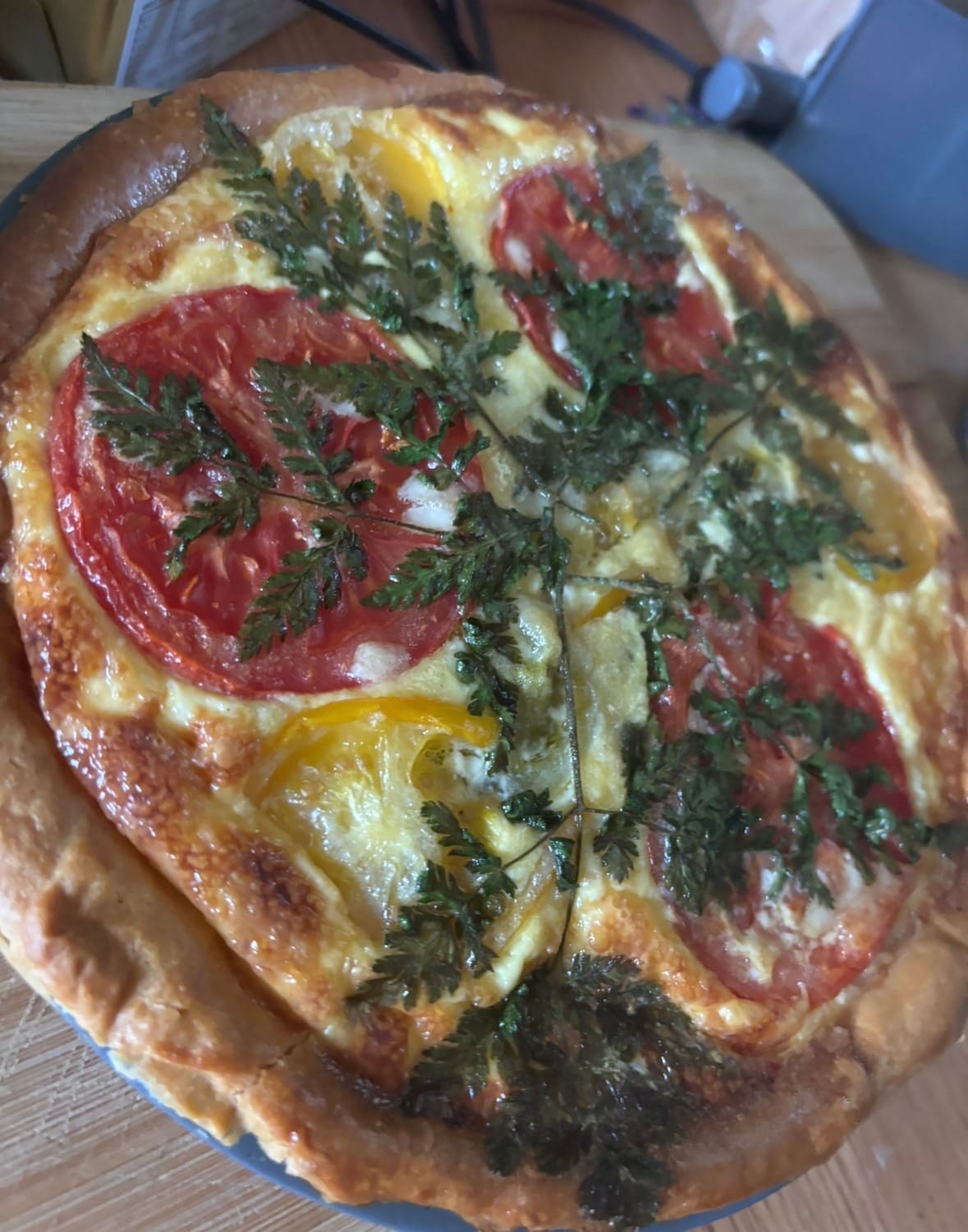
It makes me wonder whether a weed is really a property of a plant at all. A nettle can make soup. A dandelion can make syrup. Cleavers can become a refreshing springtime drink. Ground elder can become a side dish of greens or a decorative tart. Most plant fibres can be blended and pulped to make paper.
The plants haven’t changed. My relationship with them has. So maybe the more interesting question isn’t, “What is a weed?” Maybe it’s “What else might this plant be?”
I’m enjoying plant identification apps, followed by immersing myself in stories and folklore, fabric dyeing, natural printmaking, plant medicine, foods, decorative uses and aromas. I’m making connections with past work and projects and making notes for ideas to try out.
I’m enjoying experimenting with my findings. I’m looking forward to roasting and grinding the seeds of cleavers to make a kind of coffee.
I’ve started to notice a pattern. The more I learn about a plant, the harder it is to hold it within a category. A weed can be food, food can be folklore, folklore can be craft, craft can be history and history can become relationship. The categories haven’t disappeared, they just weren’t expansive enough.
It could be one of the greatest gifts of curiosity, discovering that living things almost always exceed the categories we first place them in.
Further reading:
Weeds as bioindicators agroecology now
Agrivi on weeds
Nettles recipes Forager Chef