Wolfsbane

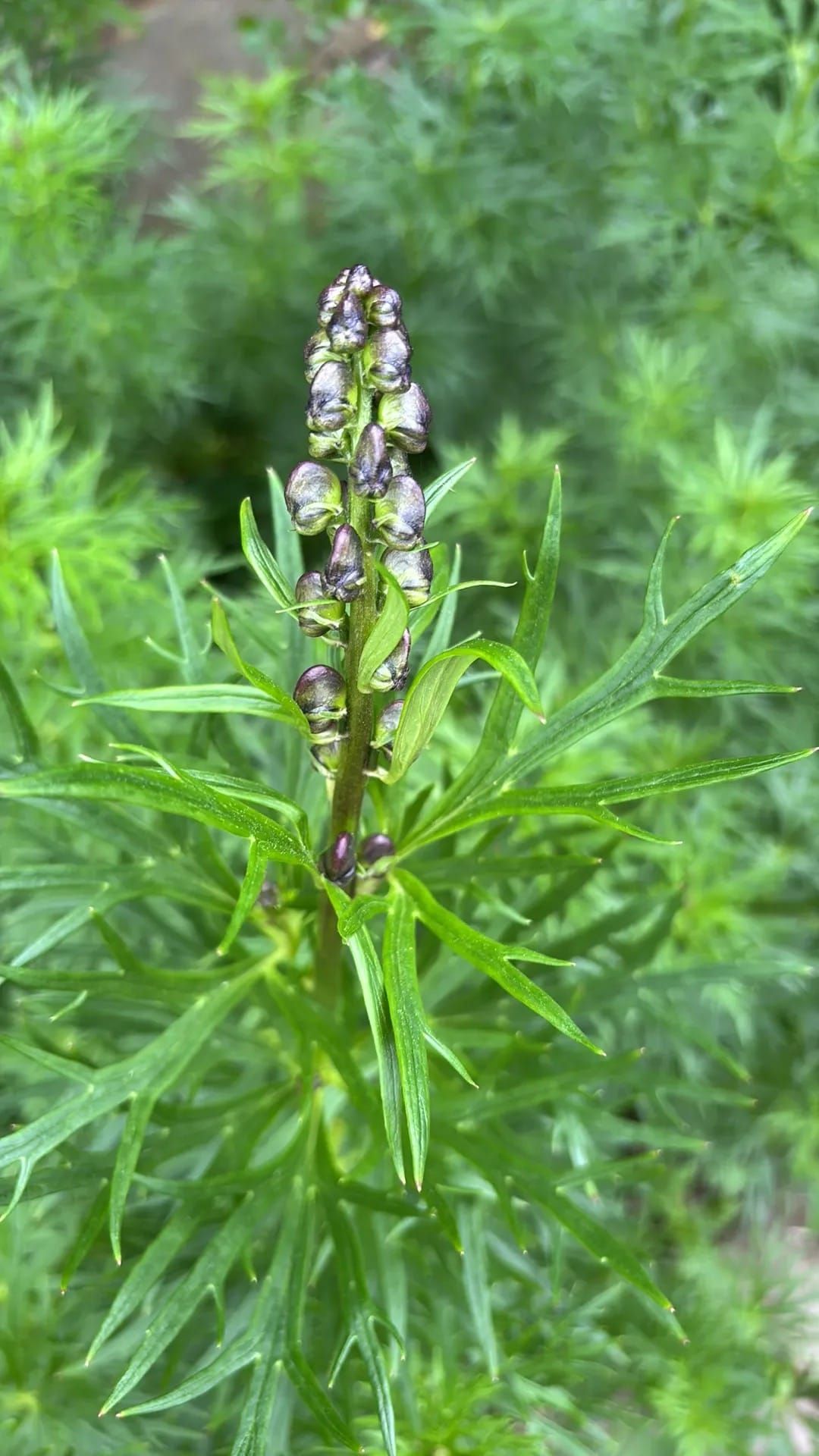
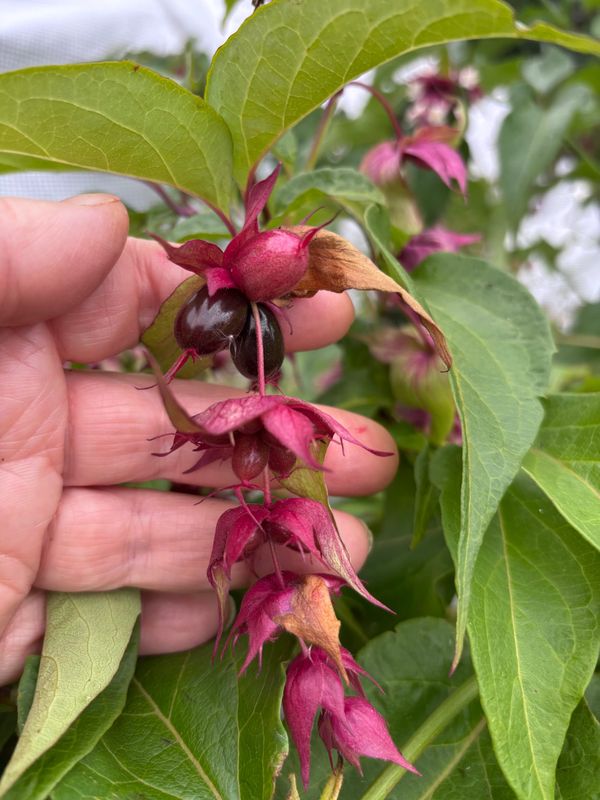
A month ago, we removed the wolfsbane from the front garden.
Even writing that sentence feels slightly dramatic, as though I ought to have been wearing a cloak while thunder rolled overhead. In reality, I was mostly wearing gardening gloves and trying to stop the dog from enthusiastically “helping”. Dave was, in contrast, fairly dramatically wearing white coveralls resembling an adult sized babygrow.
Still, I found myself oddly conflicted about removing it. Not because I particularly want highly toxic plants near visiting children, wandering deer or an impulsive spaniel with very little sense of self-preservation, who eats anything green in his path.
I don’t. I feel relieved that it has gone.
And yet, I also felt reluctant to erase something that may have been growing there for decades. Perhaps longer than I have been alive. A living trace of unknown people who once occupied this same patch of land.
I found myself wondering why somebody planted it. Not in a melodramatic “village poisoner” sort of way. More in the quiet practical sense of how people once lived alongside plants very differently from many of us now.
The further back we go historically, the closer ordinary people often lived to pain, illness, injury, difficult births, dying animals and hard decisions. Before antibiotics, modern veterinary care or reliable pain relief, people carried knowledge themselves. Sometimes privately, perhaps imperfectly. Maybe passed hand to hand rather than written down.
I wondered what kinds of knowledge surrounded plants like wolfsbane. What people knew about them. What stories travelled alongside them. What decisions they were planted for, or whether sometimes they were planted simply because they were beautiful.
I wonder about communities or individuals understanding which plants soothed, numbed, purged or healed. Knowledge existing quietly at the edges of ordinary domestic life.
It also made me think about how quickly we flatten the past into simple stories. We often seem to want historical people to become either wise wholesome herbalists living in harmony with nature, or terrifying poisoners lurking in folklore. But human beings are rarely that tidy, are we?
The same person might have baked bread, knitted socks, comforted children, treated coughs with herbs, worried about winter survival and maybe also known how to ease suffering when there were few options. Love and harshness, I think, have often lived side by side in human history because survival itself could be harsh.
And perhaps this is partly why “witches” continue to fascinate us culturally. Not because women secretly possessed magical powers, (well, maybe they did?) but because knowledge itself can become unsettling when it sits outside of institutions. Especially knowledge connected to birth, death, illness, pain, plants, medicine and bodies.
The wolfsbane also made me think about why I love old recipes, ancient grains, traditional skills and inherited food knowledge so much. I think I might be searching for tiny points of contact with people we can no longer ask questions of. In soup, a knitting pattern, woven grass, a song of labour, a dance. A toxic flower in an old garden.
All of them reminders that ordinary people lived entire textured lives before us — complicated, frightened, funny, loving, practical, exhausted, resourceful human lives.
In the end, I removed the wolfsbane because I do not need it and do not want responsibility for harm coming to animals or people, in particular my dog, who has used up most of his lives/veterinary insurance cover for this year.
A neighbour dropped by and said how she had noticed it was gone, and how much she had enjoyed the flowers and missed them.
‘It was a thug of a plant,’ I said, ‘ it would kill you as soon as look at you.’
And we laughed and laughed.
The wolfsbane is gone but I still stood there looking at the gap, feeling a little deflated. As though I had briefly shaken hands with an older world before letting it go again.
Wolfsbane Links
https://carnegiemnh.org/wolfsbane/
Carnegie museum of natural history accessed 31/5/26
https://www.knotweedservices.co.uk/wolfsbane-removal/
Knotweed Services weeds perspective accessed 31/5/26
https://teenwolf.fandom.com/wiki/Wolfsbane
Fandom perspective - Accessed 31/5/26