Yarrow From the Achilles Heel to the Grave

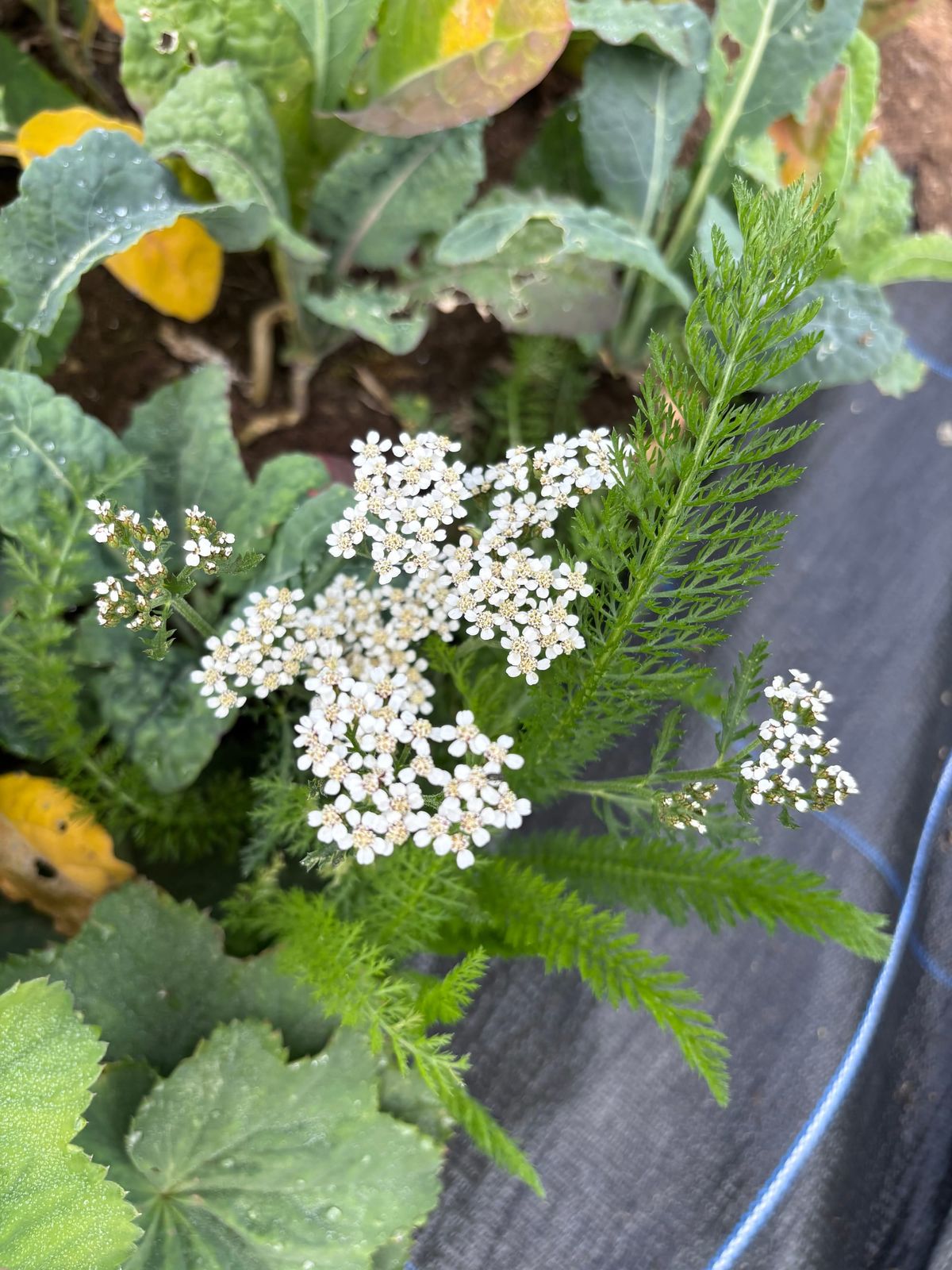
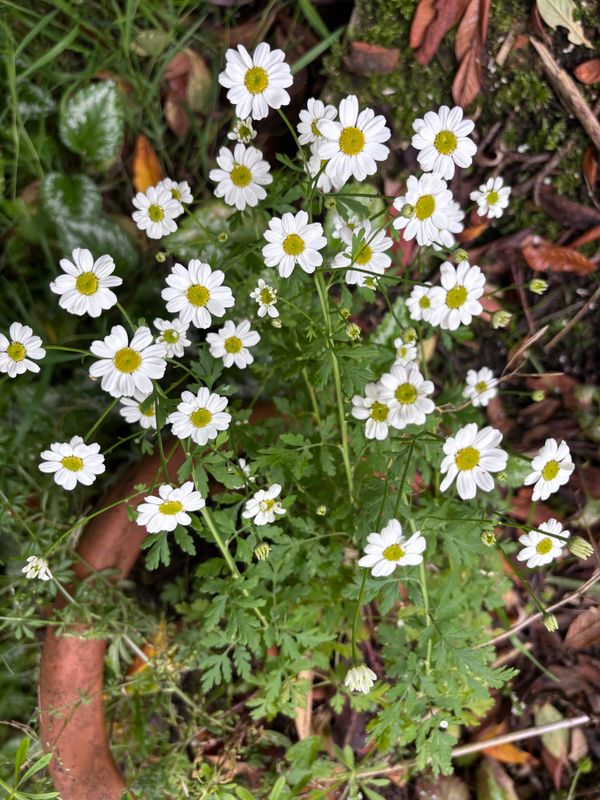
While attending to the no dig veggy beds, Dave muttered something about ‘all these weeds!’ and I suddenly had a moment of curiosity about the masses of tiny white flowers with fern-like leaves.
Two of the wonderful women from Gamrie Gardens were picking gooseberries with me one day late in the summer and Flo said ‘what are you going to do with all this yarrow?’. Weeds or useful plants I haven’t yet met?
I dried some on a rack in the kitchen and Dave’s apothecary cupboard expanded into more glass clip jars. I checked prices online. We had saved £3.43 plus postage.
A little research offered claims for yarrow including reducing inflammation and IBS, treating ear infections (I could have used that as a child!), inducing sweating to break a fever, digestion support and relief of menstrual cramping, amongst others.
I don’t think Dave will be able to attest to usefulness for the last problem unless there’s something he’s not telling me but I can say that when he tried the tea, there was much muttering about sweating and being hot and changing pjs in the night. I had a little smile to myself about a man getting a tiny taste of menopause.
If you’re thinking of trying yarrow tea, I’d recommend a proper look at whether it’s suitable for you because it might interact with certain medications, it’s apparently not proven safe for pregnant women, too. Some people are allergic. Quite an exciting little plant, then. A little danger in the tea cupboard.
Yarrow doesn’t limit itself to usefulness in tea, according to Wild Dispensary. There are references here to infused oils, poultices and balms, too. I haven’t tried any of them but who knows when it might be suddenly useful to be able to make a healing balm or poultice?
Historically, it seems yarrow might have been used to line a Neanderthal grave, according to analysis of the remaining pollen. Although since that discovery, it was suspected that bees might have been responsible for some of the pollen. And although herbs and vegetation might have been laid around the body, it’s not easy to tell if that’s the reason for the pollen. The great Neanderthal yarrow mystery.
Legend says that Achilles used yarrow to tend wounds on the battlefield. He was reportedly dipped, by his mother, as a baby, into the River Styx, to give him protection but only his heel was vulnerable, where she was holding him.
There’s allegedly a Hebridean legend that a yarrow leaf pressed to the eyes gives the gift of second sight. I didn’t hear about this while I lived in the Hebrides and I didn’t notice an exceptional number of second sighted people but maybe they kept it quiet.
I read about yarrow based love divinations too. It seems that yarrow has been very busy through the years. It’s probably a good thing that it’s so prolific. I’ve been looking for a useful, vigorous plant to go between slabs in the front garden. This might just be the thing.
It’s probably wise to keep some handy in case I’m in need of second sight or if I’m wounded in the Great Battle of Netherbrae. You never know.
Further Reading:
Portsmouth Natural History Museum accessed 21st September 2026
Uses for Yarrow Kent tea and coffee accessed 21st September 2026
More Uses for Yarrow Wild Dispensary accessed 21st September 2026.
Neanderthal grave beds mentioned at Rowan and Sage accessed 21st September 2026
Science Direct accessed 21st September 2026